noel edmonds grandchildren: TV Legend Becomes a Grandfather Through Daughter Alice

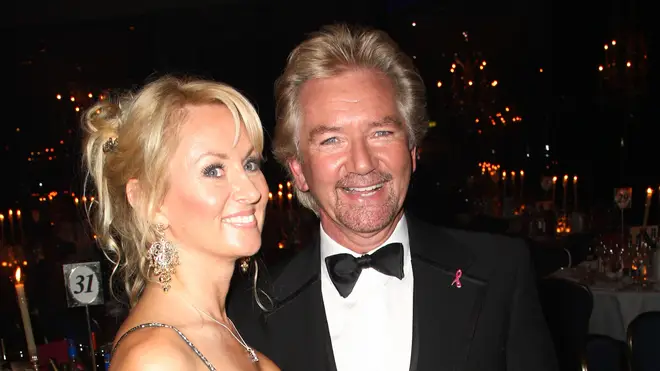
Noel Edmonds is a long-standing British television personality whose career spans decades of entertainment, presenting, and broadcasting success. While he is widely known for his work on popular UK television programmes, public attention has increasingly shifted towards his private life. In particular, interest in his family structure, children, and personal milestones has become a recurring topic in media coverage and online searches.


The phrase noel edmonds grandchildren has gained significant search volume as audiences look to understand more about his current family situation. This curiosity has been driven by reports of him becoming a grandfather through his daughter Alice, marking an important personal milestone. As a result, his family life has become just as discussed as his television legacy, especially among UK audiences following celebrity lifestyle news.
Noel Edmonds’ Marriage to Helen Soby and Family Foundations
A key part of understanding noel edmonds grandchildren begins with his earlier family life, particularly his marriage to Helen Soby. Their relationship formed the foundation of his immediate family, and together they raised four daughters: Charlotte, Lorna, Olivia, and Alice. This marriage played a central role in shaping his identity as a father long before any public discussion of grandchildren emerged.
Although the marriage eventually ended, the connection between Noel Edmonds and Helen Soby continues to be referenced when discussing his family background. The structure they created remains important because it established the next generation of his family. As interest in noel edmonds grandchildren grows, it naturally links back to Helen Soby as the mother of his children and a key figure in his personal history.
His Daughters and the Development of a Blended Family
Noel Edmonds’ four daughters have each grown into independent adults, forming a modern blended family dynamic that reflects both privacy and public recognition. Charlotte, Lorna, Olivia, and Alice have all lived parts of their lives away from the public spotlight, despite their father’s high-profile media career. This balance between fame and privacy has shaped how the family is viewed in the UK.
The discussion around noel edmonds grandchildren is closely tied to this family structure, as it represents the continuation of his family line. Each daughter contributes to the broader family identity, and their relationships with their father remain a key part of the narrative. The blended family dynamic highlights how celebrity families evolve over time while maintaining strong internal bonds.
The Arrival of Noel Edmonds’ Grandchild Through Alice
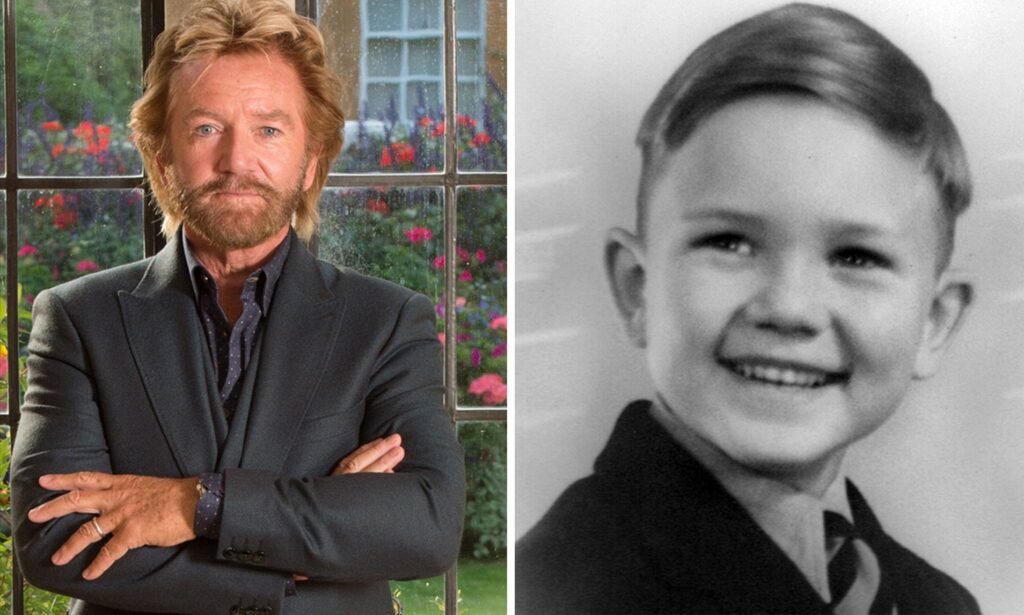
One of the most significant developments in recent years is the news that Noel Edmonds became a grandfather through his daughter Alice. This moment marked a new chapter in his life and brought renewed public attention to his personal journey. Reports suggested that this milestone prompted him to return temporarily to the UK, emphasising the emotional importance of family events.
The topic of noel edmonds grandchildren became widely discussed following this development, as audiences reacted to the idea of the television veteran stepping into grandfatherhood. While details remain relatively private, the general understanding is that Alice’s child represents his first grandchild, making this a meaningful and celebrated moment in his family life. It reflects a natural progression in his personal story.
Relationship Between Noel Edmonds and Daughter Alice
The relationship between Noel Edmonds and his daughter Alice plays a central role in discussions about noel edmonds grandchildren. Alice has been described as an important figure within the family, and her connection with her father highlights the strength of their bond. Their relationship reflects continuity within a family that has experienced both public attention and private evolution.
As interest in noel edmonds grandchildren continues, Alice’s role becomes even more significant as she bridges the gap between generations. Her life events, including motherhood, have naturally brought renewed focus to Noel’s role as a father and now grandfather. This transition illustrates how family relationships evolve over time while maintaining emotional importance.
Life in New Zealand and Its Impact on Family Connections
In recent years, Noel Edmonds has spent a considerable amount of time living in New Zealand, where he embraced a quieter and more private lifestyle. This move marked a significant shift away from his long-standing presence in UK media. However, despite the distance, his family relationships have remained an important part of his life and public interest.
The topic of noel edmonds grandchildren has often been linked to his travels between New Zealand and the UK, particularly when major family events occur. His reported return to the UK for the birth of his grandchild demonstrates how personal milestones can influence even a settled international lifestyle. It highlights the enduring importance of family connections regardless of geographical distance.
Media Coverage and Public Curiosity Around His Family
British media has consistently shown interest in Noel Edmonds’ personal life, especially as he transitioned away from regular television appearances. Stories about his family, relationships, and lifestyle changes continue to attract attention. This ongoing coverage has helped maintain public curiosity about his private world.
The phrase noel edmonds grandchildren is often featured in headlines and online discussions, reflecting the public’s fascination with his evolving family role. Media coverage tends to focus on key emotional milestones, and his transition into grandfatherhood is no exception. This interest demonstrates how celebrity family life remains a strong topic within UK entertainment journalism.
Understanding Misconceptions and Public Assumptions
As with many public figures, information about Noel Edmonds’ family life is sometimes misinterpreted or simplified in online discussions. While there is confirmed information about his daughters and his role as a grandfather through Alice, other details are often speculative or unclear. This has led to confusion in some reports.
The topic of noel edmonds grandchildren has therefore become a mix of confirmed facts and public assumptions. It is important to separate verified information from speculation, especially when dealing with celebrity family matters. Despite this, public curiosity remains strong, driven by interest in his long career and personal life developments.
Noel Edmonds’ Role as a Grandfather
Becoming a grandfather represents a new chapter in Noel Edmonds’ life, adding another layer to his already established family identity. While he is widely recognised for his television career, this personal milestone reflects a more private and reflective stage of life. It highlights the natural progression of family generations.
The ongoing interest in noel edmonds grandchildren shows how audiences connect with personal milestones of public figures. His transition into grandfatherhood symbolises continuity, family growth, and the passing of time. It also reinforces his identity not only as a television legend but also as a father and now grandfather.
Conclusion
Noel Edmonds’ journey from television presenter to grandfather reflects both his public legacy and private evolution. The interest surrounding noel edmonds grandchildren demonstrates how audiences remain engaged with his life beyond the screen. His family, including his daughters and connection to Helen Soby, forms the foundation of this continuing story.
As he embraces this new chapter, Noel Edmonds’ family life remains a subject of curiosity and admiration. The arrival of his grandchild through Alice marks a meaningful milestone, showing how personal and family developments continue to shape the narrative of one of Britain’s most recognisable media personalities.