The topic of ring road vs roundabout is an important part of understanding how modern UK transport networks are designed and managed. Many drivers, especially learners and international visitors, often confuse these two terms because both involve circular movement in some form. However, their purpose, structure, and scale are completely different within road planning and traffic control systems.


When discussing ring road vs roundabout, it becomes clear that both are designed to improve traffic flow but in very different ways. A ring road is used to bypass city centres and support long-distance travel, while a roundabout is a junction control system used within local roads. This distinction is essential for safe driving, better navigation, and improved awareness of UK road infrastructure.
What is a Ring Road in the UK
A ring road is a large orbital route that surrounds a town or city, allowing vehicles to travel around the urban area instead of passing through it. In the context of ring road vs roundabout, the ring road is significantly larger and serves a strategic transport purpose. It is commonly used to reduce congestion in busy city centres and improve traffic distribution across regions.
Ring roads in the UK often connect major motorways, arterial roads, and suburban routes, making them essential for commuters and freight transport. Unlike a roundabout, a ring road is not a junction but a continuous route with multiple entry and exit points. When studying ring road vs roundabout, it is clear that ring roads are designed for high-speed travel and long-distance efficiency rather than local traffic control.
What is a Roundabout in the UK
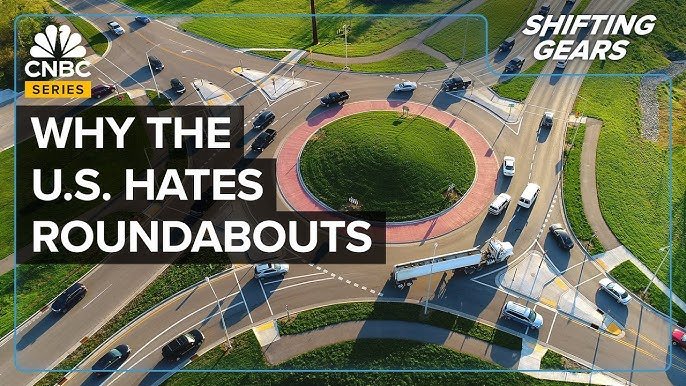
A roundabout is a circular junction where vehicles travel clockwise and give way to traffic already circulating within the circle. In the comparison of ring road vs roundabout, the roundabout is a much smaller traffic feature designed to manage intersections safely and efficiently. It replaces traditional stop signs or traffic lights in many UK road layouts.
Roundabouts are widely used across towns and cities in the UK because they reduce collision risks and improve traffic flow at busy junctions. They require drivers to slow down and make controlled decisions when entering or exiting. In the ring road vs roundabout discussion, roundabouts are clearly focused on local traffic management rather than long-distance route planning.
Key Differences Between Ring Road vs Roundabout
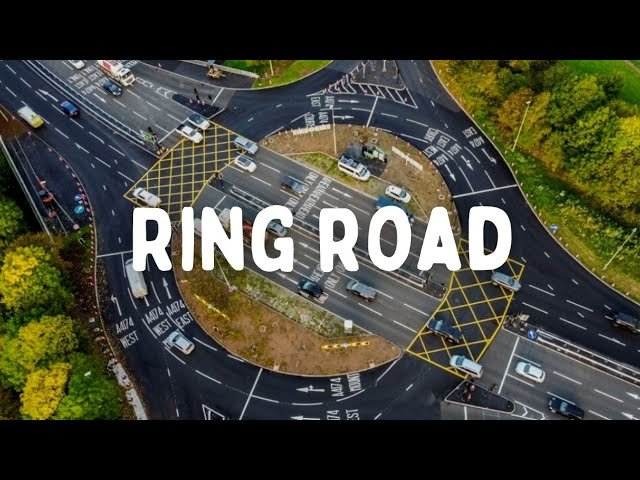
The most important difference in ring road vs roundabout is scale and purpose. A ring road is a large transport corridor designed to move traffic around a city, while a roundabout is a junction system designed to control traffic at a single point. This difference affects how drivers interact with each structure and how traffic flows through them.
Another major distinction in ring road vs roundabout is speed and function. Ring roads support faster, continuous travel with minimal stops, while roundabouts require vehicles to slow down and yield. This contrast highlights how ring roads focus on efficiency over distance, whereas roundabouts prioritise safety and controlled movement at intersections.
Ring Road vs Roundabout Signs in the UK
Road signs play an important role in helping drivers understand ring road vs roundabout systems in the UK. Ring road signs usually indicate directional routes around a city, often linked with motorway numbers or bypass indicators. These signs guide drivers along orbital routes without entering congested central areas unnecessarily.
Roundabout signs, on the other hand, are typically blue circular diagrams showing exit points and directions. They also include advance warning signs to prepare drivers for the upcoming junction. In understanding ring road vs roundabout, signage is essential because it helps motorists distinguish between high-speed bypass routes and controlled junction navigation.
Ring Road vs Roundabout in UK Traffic Planning
In UK traffic planning, ring road vs roundabout systems are used together to create an efficient road network. Ring roads handle the flow of long-distance and commuter traffic around cities, reducing pressure on central roads. This allows urban areas to remain less congested and more accessible for local travel.
Roundabouts complement this system by managing traffic at intersections within towns and suburbs. They ensure smoother junction control without relying heavily on traffic lights. When analysing ring road vs roundabout, it becomes clear that both systems work together to balance efficiency, safety, and accessibility across the UK transport network.
Advantages and Disadvantages of Ring Road vs Roundabout
Ring roads offer several advantages, including reduced congestion in city centres, faster travel times for long-distance drivers, and improved freight movement. In the ring road vs roundabout comparison, ring roads stand out for their ability to support large volumes of traffic efficiently around urban areas.
However, ring roads can be expensive to build and may encourage urban expansion beyond city limits. Roundabouts, meanwhile, improve safety and reduce accident severity but can become congested during peak hours. The ring road vs roundabout debate shows that each system has strengths and weaknesses depending on traffic needs and location.
Common Misconceptions About Ring Road vs Roundabout
One common misconception in ring road vs roundabout discussions is that they are the same type of road structure. In reality, they serve entirely different purposes within the UK road network. A ring road is a bypass route, while a roundabout is a junction control system used within local traffic environments.
Another misunderstanding is that roundabouts are outdated or difficult to use. In fact, they are widely adopted in modern road design due to their safety benefits. When clarifying ring road vs roundabout, it is important to understand that both systems remain essential and relevant in contemporary UK transport planning.
Conclusion: Understanding Ring Road vs Roundabout Clearly
The difference between ring road vs roundabout lies in their function, size, and role within the transport system. Ring roads are designed for efficient movement around cities, helping reduce congestion and support long-distance travel. Roundabouts, however, manage local traffic at intersections and improve road safety.
Understanding ring road vs roundabout helps drivers make better decisions on the road and improves overall awareness of UK traffic systems. Both are essential components of modern infrastructure, working together to create a balanced, efficient, and safer driving environment across towns, cities, and regions.