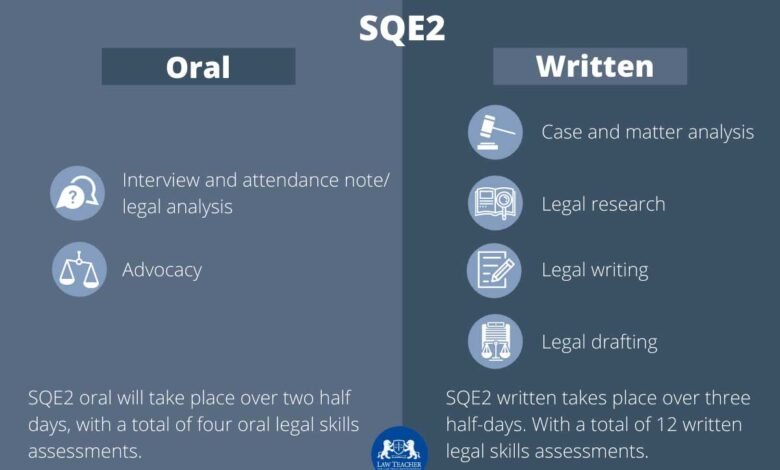
sqe2 sample questions are one of the most important resources for candidates preparing for the Solicitors Qualifying Examination in England and Wales. These questions are designed to reflect real exam scenarios, helping learners understand how legal knowledge is applied in practical situations. Unlike traditional academic exams, SQE2 focuses heavily on skills, making sqe2 sample questions essential for building confidence and exam readiness.


sqe2 sample questions also help candidates become familiar with the structure and expectations of the assessment. By practising regularly, learners can improve their legal writing, advocacy, and client communication skills. Many students use sqe2 sample questions as part of their daily revision routine because they provide realistic insight into what the actual exam will feel like under timed conditions.
Understanding SQE2 assessment and SRA expectations
The Solicitors Regulation Authority (SRA) has designed SQE2 to assess practical legal skills rather than theoretical knowledge. sqe2 sample questions closely mirror the official exam format, which includes tasks such as client interviews, advocacy exercises, legal drafting, and written advice. Understanding this structure is crucial for candidates aiming to perform well in the assessment.
sqe2 sample questions are also aligned with the marking criteria used by examiners, which focus on accuracy, clarity, and professional judgment. The SRA expects candidates to demonstrate real-world legal competence, and practising sqe2 sample questions helps bridge the gap between academic learning and professional application. This makes them a vital tool for effective preparation.
Importance of sqe2 sample questions in exam preparation
sqe2 sample questions play a major role in helping candidates prepare efficiently for the SQE2 exam. They allow learners to experience exam-style pressure while developing essential legal skills. Practising regularly helps improve time management, structured thinking, and the ability to apply legal principles accurately in practical situations.
Another key benefit of sqe2 sample questions is that they highlight common exam patterns. Candidates begin to recognise recurring legal issues and question formats, which improves speed and accuracy. Over time, consistent use of sqe2 sample questions builds confidence and reduces anxiety, making exam performance more stable and controlled.
Official SRA sqe2 sample questions and their value
The SRA provides official sqe2 sample questions that are extremely useful for understanding the exact expectations of the exam. These materials include model answers and detailed performance indicators, which help candidates evaluate their own responses. Studying these examples is essential for anyone aiming to meet the required standard.
sqe2 sample questions provided by the SRA also demonstrate how answers should be structured in real exam conditions. They show how to apply legal principles clearly and professionally. By reviewing these materials, candidates gain insight into examiner thinking, which significantly improves their ability to produce high-scoring responses in the actual assessment.
Advocacy practice using sqe2 sample questions
Advocacy is one of the most challenging components of SQE2, and sqe2 sample questions in this area focus on courtroom-style scenarios. Candidates are required to present arguments clearly, respond to legal issues confidently, and demonstrate strong communication skills. These exercises simulate real courtroom environments to test practical ability.
Practising sqe2 sample questions for advocacy helps candidates refine their speaking structure and improve persuasive techniques. It also builds confidence in handling unexpected questions during oral assessments. Regular practice ensures candidates can think quickly, remain professional, and deliver arguments in a logical and convincing manner under pressure.
Legal drafting and writing in sqe2 sample questions
sqe2 sample questions also cover legal drafting and writing tasks, which require candidates to prepare formal legal documents or provide written advice. These tasks assess clarity, accuracy, and the ability to communicate complex legal ideas in a structured format. Strong drafting skills are essential for passing SQE2 successfully.
Working through sqe2 sample questions helps candidates understand how to structure legal documents properly. It also improves attention to detail and legal accuracy. Over time, consistent practice enables learners to produce clear, professional-quality writing that meets the expectations of the SRA and reflects real-life legal work.
SQE2 sample questions PDF resources and revision tools
Many candidates prefer using sqe2 sample questions in PDF format because they are easy to download, organise, and revise from. These resources often include practice questions, model answers, and examiner guidance. This makes them highly effective for structured and flexible study planning.
sqe2 sample questions PDFs also allow candidates to simulate real exam conditions by practising timed tests. This improves speed and accuracy while building exam stamina. Combined with other revision tools, these resources create a strong foundation for consistent preparation and better performance in the final assessment.
QLTS and third-party sqe2 sample questions practice
In addition to official materials, QLTS-style sqe2 sample questions are widely used by candidates for extra practice. These resources are designed to replicate exam difficulty and provide additional scenarios for skill development. They are especially helpful for testing knowledge under pressure.
sqe2 sample questions from QLTS providers help broaden understanding by introducing different question styles and legal contexts. While they may not be official, they are valuable for reinforcing learning and identifying weak areas. Many candidates combine both SRA and QLTS materials for a more comprehensive revision strategy.
Effective strategies for answering sqe2 sample questions
To perform well, candidates must approach sqe2 sample questions with a clear and structured method. Breaking down each question carefully ensures all legal issues are identified before answering. This prevents mistakes and improves overall clarity in responses.
Using structured frameworks such as IRAC helps candidates organise their answers logically when working through sqe2 sample questions. Time management is also crucial, as each task must be completed within strict exam limits. Practising under timed conditions builds confidence and improves decision-making speed.
Common mistakes in sqe2 sample questions practice
Many candidates struggle with sqe2 sample questions due to poor time management or lack of structure in their answers. One common mistake is failing to address all parts of the question, which can lead to lost marks. Careful reading and planning are essential before writing responses.
Another frequent issue is overcomplicating answers instead of keeping them clear and concise. sqe2 sample questions are designed to test practical legal skills, so simplicity and accuracy are more important than unnecessary detail. Regular practice helps reduce these errors and improves overall performance.
Best revision plan using sqe2 sample questions
A strong revision plan should include daily practice of sqe2 sample questions across different skill areas. This ensures balanced preparation and helps candidates build confidence in all parts of the exam. Consistency is key to improving legal knowledge and exam technique.
sqe2 sample questions should also be reviewed regularly to identify weaknesses and track progress. Combining mock exams with self-assessment allows candidates to refine their approach over time. A structured revision strategy significantly increases the chances of passing SQE2 successfully on the first attempt.
Conclusion on sqe2 sample questions preparation
sqe2 sample questions are an essential part of effective SQE2 preparation, offering realistic practice and valuable insight into the exam format. They help candidates develop legal skills, improve accuracy, and build confidence in both written and oral tasks.
Consistent use of sqe2 sample questions ensures candidates are well-prepared for the challenges of the SQE2 assessment. By combining official SRA materials, PDFs, and third-party resources, learners can create a complete revision strategy that maximises their chances of success.