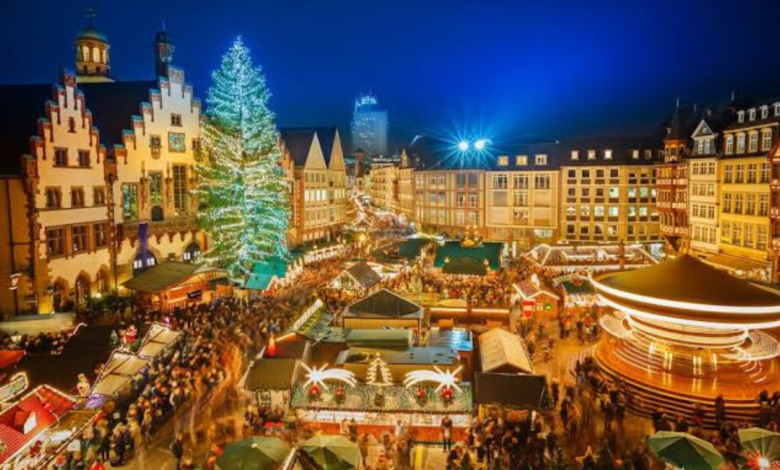
The best Christmas markets in Europe offer a magical blend of holiday traditions, local crafts, and culinary delights. Each market boasts its unique festive atmosphere, making them must-visit destinations during the holiday season. From the historic town squares of Germany to the illuminated streets of Vienna, here’s a look at some of the top spots to explore in 2026.


Top Cities to Visit for the Best Christmas Markets in Europe
Numerous cities in Europe are famous for their enchanting Christmas markets. Each destination features stunning decorations, artisan food stalls, and seasonal events that draw tourists from around the world. Some of the best Christmas markets in Europe include:
- Strasbourg, France: Often referred to as the “Capital of Christmas,” Strasbourg’s market is the oldest in Europe and consistently voted a favorite. Visitors can enjoy traditional mulled wine and unique decorations throughout the historic city center.
- Colmar, France: Just a short distance from Strasbourg, Colmar offers a fairy-tale setting with its half-timbered houses illuminated during the festive period. The market here provides a cozy ambiance and is known for its local crafts and gifts.
- Nuremberg, Germany: Known for its Christkindlesmarkt, Nuremberg’s market is famous for its gingerbread and mulled wine. The market’s historic backdrop adds to the experience, making it one of the best Christmas markets in Europe.
- Vienna, Austria: Vienna’s Christmas markets, like the one in front of the City Hall, offer a grand festive atmosphere. Visitors can indulge in Austrian delicacies while enjoying live music and beautifully decorated stalls.
- Budapest, Hungary: The markets in Budapest, especially the one at Vörösmarty Square, combine local culinary delights with cultural experiences. The city’s stunning architecture provides a picturesque setting for holiday shopping.
- Baden-Baden, Germany: This charming town surprises visitors with its beautifully decorated streets and markets. Baden-Baden’s festive offerings and winter wonderland experiences make it a hidden gem among the best Christmas markets in Europe.
- Vilnius, Lithuania: The Christmas market in Vilnius features a stunning Christmas tree and a variety of local crafts. Its unique setting and family-friendly activities attract many visitors during the holiday season.
What to Expect at the Best Christmas Markets in Europe
Each of the best Christmas markets in Europe offers a distinctive experience. Expect to find a delightful mix of:
- Artisan Food Stalls: Enjoy a variety of culinary delights, including roasted chestnuts, pretzels, and traditional sweets that vary by region.
- Local Crafts and Gifts: Markets often feature handmade items, from ornaments to textiles, perfect for holiday shopping experiences.
- Family-Friendly Activities: Many markets have activities for children, such as rides and crafts, ensuring a fun outing for families.
- Nighttime Illumination: The markets come alive at night with beautiful lighting, creating a magical atmosphere that enhances the festive spirit.
- Cultural Experiences: Enjoy live performances, choir music, and other seasonal events that highlight local customs and traditions.
Travel Tips for Visiting the Best Christmas Markets in Europe
To make the most of your trip to the best Christmas markets in Europe, consider these travel tips:
- Timing Your Visit: The best time to visit is typically from late November through December, when markets are fully operational and festive activities are in full swing.
- Planning Your Route: If visiting multiple markets, plan a route that allows for easy travel between cities, especially if using public transportation.
- Accommodations: Book hotels early, as they fill up quickly during the holiday season. Consider staying near the market for convenience.
- Weather Considerations: Dress warmly, as outdoor markets can be chilly. Layers and waterproof clothing are advisable.
- Cash and Cards: While many vendors accept cards, it’s wise to carry some cash for smaller purchases at stalls.
Frequently Asked Questions
Which country in Europe has the best Christmas market?
The best Christmas market in Europe has not been publicly disclosed.
What are the top 10 Christmas markets?
The top 10 Christmas markets have not been publicly disclosed.
What is the most Christmassy town in Europe?
The most Christmassy town in Europe has not been publicly disclosed.
Which is the most beautiful Christmas market in the world?
The most beautiful Christmas market in the world has not been publicly disclosed.
What unique decorations can I find at European Christmas markets?
European Christmas markets feature unique decorations that reflect local traditions and crafts, including handmade ornaments, lights, and festive displays.
What are the best culinary delights to try at Christmas markets?
Must-try culinary delights include roasted chestnuts, seasonal pastries, mulled wine, and regional specialties that vary by market.
Exploring the best Christmas markets in Europe is an experience filled with festive cheer, delightful treats, and unique gifts. Each market offers its own charm and character, making them well worth a visit during the holiday season.
You May Also Read: lip flip before and after