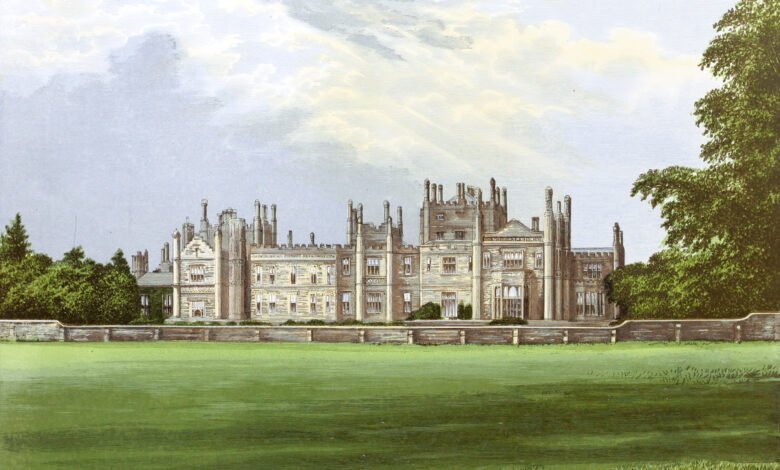
Tregothnan Estate is widely regarded as one of the most historically significant private estates in the United Kingdom, located in the heart of Cornwall. It is known for combining centuries of aristocratic heritage with modern agricultural innovation. The estate is particularly famous for being home to the UK’s first tea plantation, making it a unique landmark in British rural history and global horticultural development.


Tregothnan Estate continues to attract attention from historians, travellers, and environmental researchers due to its rare blend of tradition and sustainability. As a privately owned working estate, it maintains a balance between conservation, farming, and limited tourism. The reputation of Tregothnan Estate has grown internationally, especially due to its pioneering tea production and carefully preserved natural landscapes.
Where is Tregothnan Estate Located?
Tregothnan Estate is situated near Truro in Cornwall, surrounded by rolling countryside, river valleys, and a sheltered microclimate influenced by the River Fal. This location plays a crucial role in supporting its diverse agriculture and rare plant cultivation. The geography of Tregothnan Estate makes it one of the most environmentally unique estates in the United Kingdom.
Visitors often associate Tregothnan Estate with Cornwall’s scenic beauty and rural charm. The estate is not fully open to the public, but its surrounding region is a popular destination for tourism. The peaceful setting of Tregothnan Estate contributes to its exclusivity and helps preserve its heritage, natural environment, and agricultural productivity.
History and Heritage of Tregothnan Estate
The history of Tregothnan Estate stretches back several centuries and is deeply rooted in British aristocratic tradition. It has long been the ancestral home of the Boscawen family, who have played a significant role in the estate’s development and preservation. Over time, Tregothnan Estate has evolved while maintaining its historical identity and cultural importance.
Tregothnan Estate is often described as one of the oldest private estates in England, with a heritage shaped by land stewardship, forestry, and agriculture. Its long-standing history reflects the continuity of English country estates and their role in shaping rural landscapes. The estate remains a symbol of historical preservation combined with modern sustainability practices.
Ownership and Management of Tregothnan Estate
Tregothnan Estate is privately owned by the Boscawen family, with leadership traditionally associated with the title of Lord Falmouth. This continuity of ownership has allowed the estate to maintain long-term planning and a strong sense of identity. The management structure of Tregothnan Estate focuses on balancing heritage preservation with commercial and environmental responsibilities.
The estate operates as a working environment that includes agriculture, forestry, and tourism-related activities. Tregothnan Estate is managed with a strong emphasis on sustainability and ecological responsibility. This approach ensures that the estate remains productive while protecting its historic buildings, landscapes, and biodiversity for future generations.
Tregothnan Tea and Agricultural Innovation
One of the most remarkable achievements of Tregothnan Estate is the creation of the UK’s first tea plantation. This innovation transformed the estate into a global point of interest, demonstrating that tea can be successfully cultivated in the British climate. The unique conditions of Cornwall have helped Tregothnan Estate develop a distinctive tea-growing environment.
Tregothnan Estate tea production has grown into a recognised brand known for quality and sustainability. The estate cultivates a variety of tea plants and herbal infusions, contributing to the UK’s speciality food and beverage industry. The success of Tregothnan Estate tea reflects its commitment to innovation while respecting traditional agricultural methods.
Gardens, Nature, and Biodiversity at Tregothnan Estate
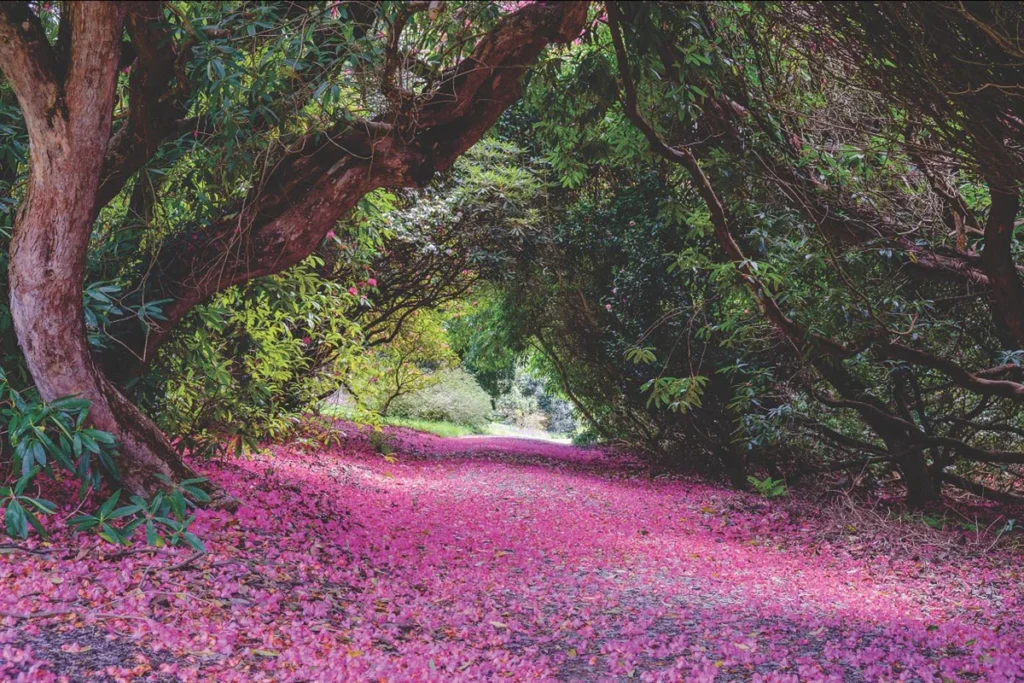
The gardens of Tregothnan Estate are renowned for their botanical richness and rare plant collections. The estate benefits from a mild microclimate that supports both native British flora and exotic species. This diversity makes Tregothnan Estate an important site for ecological study and environmental conservation.
Tregothnan Estate also features river gardens, woodland areas, and carefully managed conservation zones. These landscapes are designed to protect biodiversity while maintaining the estate’s natural beauty. The combination of horticulture and conservation ensures that Tregothnan Estate remains a living example of sustainable land management in the UK.
Tregothnan Estate Cottages and Holiday Accommodation
Tregothnan Estate offers exclusive cottages that provide a unique countryside experience for visitors seeking privacy and comfort. These properties are designed to reflect traditional Cornish architecture while offering modern amenities. Staying at Tregothnan Estate cottages allows guests to experience the tranquillity of a historic private estate.
Holiday accommodation at Tregothnan Estate is limited and highly sought after due to its exclusivity. Guests choosing Tregothnan Estate holiday cottages enjoy access to scenic landscapes, peaceful surroundings, and a rare insight into estate life. This makes Tregothnan Estate holidays particularly appealing for travellers seeking luxury rural escapes in the UK.
Jobs and Careers at Tregothnan Estate
Employment opportunities at Tregothnan Estate include a wide range of roles across gardening, forestry, administration, maintenance, and hospitality. Working at the estate offers individuals a chance to be part of a historic environment while contributing to its modern operations. Tregothnan Estate jobs are ideal for those interested in countryside management and heritage conservation.
The estate supports a diverse workforce that helps maintain its agricultural production and visitor services. Careers at Tregothnan Estate often involve working in a unique setting where tradition meets innovation. This makes the estate an attractive employer for those seeking meaningful and varied rural employment opportunities.
Property, Housing, and Rentals at Tregothnan Estate
Tregothnan Estate includes a small number of residential properties that are occasionally available for rent. These homes are carefully managed as part of the estate’s long-term planning strategy. Housing within Tregothnan Estate is limited, reflecting its private ownership and conservation priorities.
Demand for Tregothnan Estate property to rent is typically high due to its exclusivity and location. The estate prioritises long-term tenants and individuals connected to estate operations. As a result, housing opportunities at Tregothnan Estate remain rare and highly valued within the local property market.
Tourism and Visitor Experiences at Tregothnan Estate
Although Tregothnan Estate is privately owned, it offers limited guided tours and seasonal visitor experiences. These tours provide access to selected areas of the estate, including tea plantations, gardens, and river landscapes. This controlled access ensures that Tregothnan Estate remains protected while still sharing its heritage.
Tregothnan Estate holidays and experiences are designed for visitors seeking educational and nature-based tourism. Guests can learn about tea production, estate history, and environmental conservation. These carefully curated experiences make Tregothnan Estate a unique destination within Cornwall’s tourism landscape.
Conclusion
Tregothnan Estate stands as one of the most distinctive and historically rich private estates in the United Kingdom. Its combination of heritage, innovation, and natural beauty makes it an exceptional example of British countryside preservation. From its aristocratic history to its pioneering tea production, Tregothnan Estate continues to evolve while maintaining its identity.
Today, Tregothnan Estate remains a symbol of sustainable estate management and rural excellence. Whether through its tea, gardens, cottages, or history, Tregothnan Estate offers a rare insight into traditional English estate life. Its ongoing legacy ensures that Tregothnan Estate will remain an important cultural and agricultural landmark for generations to come.