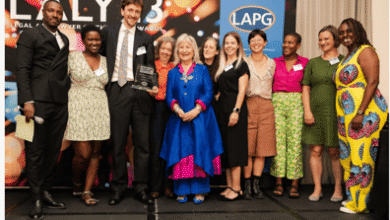
Roti King Waterloo is widely regarded as one of the most authentic Malaysian street food restaurants in London, attracting food lovers from across the city and beyond. Located near Waterloo Station, it has become a must-visit destination for anyone searching for bold flavours and traditional cooking styles. The popularity of roti king waterloo continues to grow as more visitors share their experiences online and recommend it as a top dining spot.

The restaurant focuses on simple yet powerful Malaysian dishes that highlight freshness, spice, and texture. Diners often describe the experience as casual but highly satisfying, with freshly prepared roti served alongside rich curries. Roti king waterloo stands out in London’s competitive food scene because it delivers consistency, affordability, and authenticity in every dish served.
Location and Atmosphere of Roti King Waterloo
Roti King Waterloo is located on Lower Marsh, a vibrant street close to Waterloo Station in central London. This prime location makes it easily accessible for commuters, tourists, and locals looking for authentic Malaysian cuisine. The area itself is lively and filled with food outlets, but roti king waterloo remains one of the most popular choices due to its reputation and consistent quality.
The atmosphere inside is simple, compact, and designed for quick dining rather than long meals. Seating is limited, and the restaurant operates mainly on a fast-turnover system. Despite this, the energy inside is welcoming and lively, with customers enjoying freshly cooked meals in a casual setting. Roti king waterloo has become known not just for its food but also for its unique street-food dining experience in the heart of London.
Menu Highlights at Roti King Waterloo
The roti king waterloo menu is the main reason behind its strong reputation in London’s food culture. It features traditional Malaysian dishes such as roti canai served with chicken curry, dhal, or fish curry. Each dish is freshly prepared, ensuring a crispy yet soft texture that pairs perfectly with rich and aromatic sauces. The simplicity of the menu allows the focus to remain on quality and flavour.
In addition to roti, the menu also includes nasi lemak and other rice-based meals that offer a balanced combination of spice and comfort. Prices are relatively affordable compared to other central London restaurants, making it popular among students and workers. Many visitors to roti king waterloo appreciate the generous portions and authentic taste that make every visit memorable and satisfying.
Reviews and Customer Experience
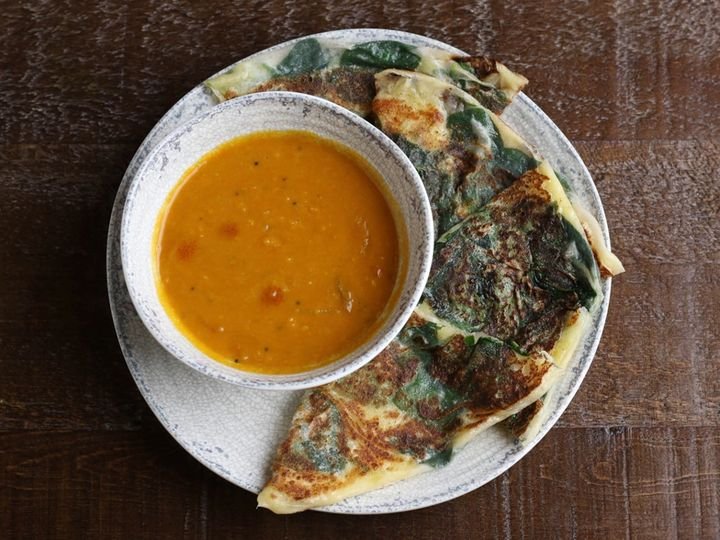
Roti king waterloo reviews are generally very positive, with many customers praising the restaurant for its authentic flavours and consistent quality. Visitors often highlight the freshly made roti as the standout item, describing it as soft, flaky, and perfectly cooked. The curries are also frequently praised for their depth of flavour and spice balance, making the overall dining experience highly enjoyable.
However, some reviews mention long waiting times, especially during peak lunch and dinner hours. The popularity of roti king waterloo means queues are common, and seating can feel limited during busy periods. Despite these minor drawbacks, most customers agree that the food is worth the wait, and many return regularly because of the consistent quality and flavourful dishes.
Halal Status of Roti King Waterloo
One of the most frequently asked questions is whether roti king waterloo is halal. The restaurant is widely considered halal-friendly, which makes it a preferred choice for many Muslim diners in London. This inclusivity has helped increase its popularity and attract a diverse customer base from different backgrounds and communities.
Visitors are still encouraged to confirm the latest halal status directly with the restaurant, as policies can sometimes change. However, roti king waterloo continues to be recognised as a welcoming place for those seeking halal Malaysian food in central London. This adds to its appeal as a culturally diverse dining destination.
Booking, Reservations and Opening Times
Roti king waterloo does not operate a reservation or booking system, meaning all customers are served on a walk-in basis. This policy reflects its street-food style identity and adds to the overall experience. While this approach creates queues, it also ensures fairness and freshness, as customers are served in order of arrival.
The opening times typically cover lunch and dinner service, making it accessible throughout the day. Peak hours are usually evenings and weekends, so visiting earlier is recommended to avoid long waits. Many people searching roti king waterloo booking are often surprised to learn that reservations are not available, but the efficient service helps manage crowds effectively.
Photos and Dining Experience
Roti king waterloo photos often showcase a vibrant and busy dining environment with freshly prepared dishes served in simple but appealing presentation. The golden roti paired with colourful curries makes the food highly photogenic, contributing to its popularity on social media platforms such as Instagram and TikTok.
The interior of roti king waterloo is functional and minimal, focusing on speed and efficiency rather than luxury. Customers can often see food being prepared in the open kitchen, adding to the authenticity of the experience. This combination of visual appeal and live cooking makes it a favourite spot for food photography enthusiasts in London.
Why Roti King Waterloo is So Popular in London
Roti king waterloo has become one of the most popular Malaysian restaurants in London due to its authenticity, affordability, and consistency. The restaurant offers a rare combination of high-quality street food in a central location at reasonable prices. This makes it especially appealing to students, workers, and tourists exploring London’s food scene.
Another reason for its popularity is its strong reputation built through word-of-mouth and online reviews. Many visitors recommend it as one of the best places for Malaysian food in the UK capital. The simplicity of the menu and the bold flavours ensure that roti king waterloo continues to attract repeat customers and new visitors every day.
Conclusion
Roti king waterloo stands as a true representation of Malaysian street food culture in London, offering authentic flavours in a simple and efficient dining environment. From freshly made roti to rich curries, every dish reflects tradition and quality. Despite queues and limited seating, the experience remains highly rewarding for most visitors.
For anyone looking to explore Malaysian cuisine in central London, roti king waterloo is a destination that consistently delivers flavour, authenticity, and value. Its reputation continues to grow, making it a must-visit spot for both locals and tourists.