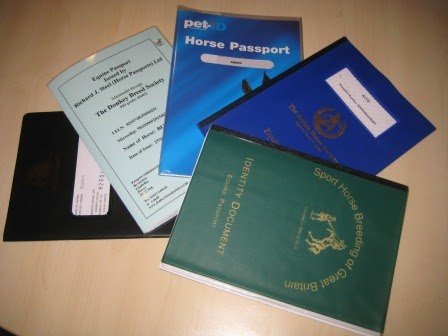
The horse passport number is a vital part of equine identification in the UK, ensuring every horse can be officially recorded and traced throughout its lifetime. It links the animal to its legal identity, veterinary history, and ownership records, making it an essential document for compliance. Understanding the horse passport number helps owners manage responsibilities correctly and avoid issues related to movement, treatment, or verification of their horse’s identity in different situations.


The horse passport number is also closely tied to national equine regulations, which require all horses to be properly documented and identifiable. This system helps maintain safety within the equine industry by ensuring traceability from birth to end of life. Whether you are a breeder, owner, or buyer, the horse passport number provides essential clarity and helps maintain trust in equine transactions and welfare management.
Understanding Horse Passport Number in the UK
The horse passport number serves as a unique identifier that connects a horse to its official passport document, ensuring that no two equines share the same identity. In the UK, this number is part of a wider system that includes microchipping and the UELN, which together create a reliable identification framework. The horse passport number is essential for confirming a horse’s legal documentation and maintaining accurate records throughout its life.
In practical terms, the horse passport number is used by authorities, vets, and owners to verify the horse’s identity when required. It ensures consistency across databases and prevents confusion during ownership changes or medical treatments. The horse passport number also plays an important role in equine welfare, as it allows for accurate tracking of vaccinations, medications, and movement history across different regions and systems.
Where to Find Horse Passport Number
Locating the horse passport number is usually straightforward, as it is clearly printed within the official passport document. In most cases, the horse passport number can be found on the front cover or within the first identification section of the document. This section typically includes the horse’s name, breed, colour, and other key details that confirm its identity.
However, the exact placement of the horse passport number may vary depending on the issuing authority. Some passports may list it alongside the microchip number or within a dedicated identification page. Owners should carefully review each section to ensure they correctly identify the horse passport number. Keeping the passport safe and well-organised ensures quick access whenever verification is needed for travel or medical purposes.
Horse Passport Number and UELN Explained
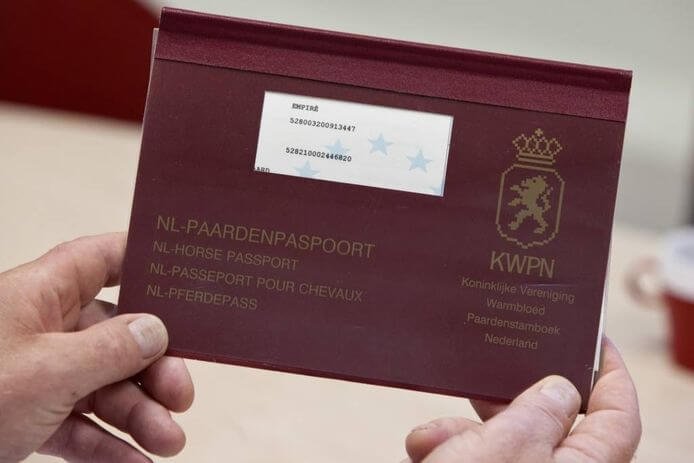
The horse passport number works alongside the UELN (Universal Equine Life Number), which is a globally recognised system used to identify horses across international databases. While the horse passport number refers to the physical document, the UELN provides a permanent digital identity that follows the horse throughout its life. Together, they create a strong identification framework that reduces errors and duplication.
The relationship between the horse passport number and UELN is particularly important for international travel and breeding records. The UELN ensures consistency across countries, while the horse passport number supports national documentation systems. Understanding both identifiers helps owners manage their horses more effectively and ensures compliance with UK and European equine regulations.
Horse Passport Number Example Explained
A horse passport number example typically consists of a structured combination of letters and numbers that uniquely identifies the passport document. Although formats may differ depending on the issuing organisation, each horse passport number is designed to be distinct and traceable. This prevents duplication and ensures that each horse can be accurately identified in official records.
Understanding a horse passport number example helps owners avoid confusion between different identification systems such as microchips or UELN. Many owners mistakenly assume these numbers are interchangeable, but each serves a different purpose. The horse passport number is specifically tied to the document itself, making it a key reference point for verification and record-keeping across the equine industry.
Horse Passport Number Search and How to Check or Look It Up
A horse passport number search is often carried out when verifying a horse’s identity during purchase, sale, or medical treatment. In the UK, several approved databases allow users to check equine records using either the horse passport number, microchip, or UELN. These systems ensure that the horse’s identity is correctly matched with official records.
When using a horse passport number checker, accuracy is essential to ensure correct results. Incorrect input may lead to missing or mismatched records. In some cases, the horse passport number search may require additional information such as the microchip number. Learning how to properly look up horse passport number details ensures reliable verification and helps maintain accurate equine records across all systems.
How to Check Horse Passport Number for Accuracy
Checking the horse passport number for accuracy is an important step in responsible horse ownership. Errors in documentation can lead to complications in legal compliance, veterinary treatment, or ownership transfers. The horse passport number should always match the microchip and UELN details to ensure consistency across all identification systems.
Owners should regularly verify the horse passport number against official records to ensure everything is up to date. If discrepancies are found, they should be corrected through the issuing authority. Accurate records not only support legal compliance but also improve trust and transparency in equine management and transactions across the UK.
Common Issues with Horse Passport Number
One common issue with the horse passport number is loss or damage of the physical passport, which can make identification difficult. In some cases, the horse passport number may also be incorrectly recorded during registration, leading to inconsistencies across databases. These issues can create challenges during sales, travel, or veterinary care.
Another problem occurs when the horse passport number does not match the microchip or UELN records. This mismatch can cause delays in verification and may require correction through official channels. Ensuring that the horse passport number is properly maintained helps prevent these issues and supports smooth equine management.
Legal Importance of Horse Passport Number in the UK
The horse passport number is a legal requirement in the UK, ensuring that every horse is properly identified and recorded. Without a valid passport and corresponding horse passport number, a horse cannot legally be sold, transported, or treated with certain medications. This regulation is designed to protect both animal welfare and public safety.
Compliance with horse passport number regulations is essential for all owners, as failure to maintain proper documentation can result in penalties. The system ensures traceability throughout the horse’s life, from birth registration to end-of-life records. The horse passport number therefore plays a crucial role in maintaining legal standards within the equine industry.
Horse Passport Number Checker Tools and Databases
Horse passport number checker tools are widely used in the UK to verify equine identity and ensure accurate records. These tools allow owners, vets, and authorities to confirm whether a horse passport number matches official database entries. They are often linked with microchip and UELN systems for comprehensive verification.
While these tools are useful, they may have limitations depending on the database access level. Some information may only be available to registered professionals or organisations. However, understanding how a horse passport number checker works helps owners make informed decisions and ensures better management of equine records.
Conclusion
The horse passport number is a fundamental element of equine identification in the UK, linking horses to essential records such as ownership, medical history, and movement tracking. It works closely with systems like microchipping and UELN to ensure accuracy and traceability throughout a horse’s life. Understanding how the horse passport number functions helps owners stay compliant and responsible.
By maintaining accurate documentation and regularly checking the horse passport number, owners can avoid legal issues and ensure smooth transactions and care. Whether you are searching, verifying, or managing records, the horse passport number remains a key part of responsible equine ownership in the UK.